Maintaining a healthy home goes far beyond keeping it clean and organized. One crucial but often overlooked factor in safeguarding your family’s well-being is effective pest control. Pests such as rodents, ants, cockroaches, and termites can invade our living spaces, causing both structural damage and serious health risks.
From spreading diseases to triggering allergies, these unwanted visitors can compromise the safety and comfort of your home. By understanding the importance of pest control and implementing preventative measures, homeowners can create a safer and more hygienic environment for their families.
Pest control is not just about eliminating visible insects or rodents; it’s about addressing potential infestations before they become a significant problem. A proactive approach ensures that your home remains free from the risks associated with pests, providing peace of mind and a healthier living environment. In this article, we will explore the role of pest control in maintaining a healthy home, focusing on prevention, professional intervention, and ongoing maintenance.
Preventing Pest Infestations Through Home Management
The first step in effective pest control is prevention. By identifying and addressing the factors that attract pests, homeowners can significantly reduce the likelihood of an infestation. Common attractants include leftover food, standing water, and cluttered areas that provide hiding spots for insects and rodents. For instance, sealing food in airtight containers and cleaning up crumbs can make your kitchen less appealing to ants and cockroaches. Similarly, fixing leaky faucets and drains helps eliminate sources of water that pests need to survive.
Another essential preventive measure involves maintaining the structural integrity of your home. Cracks in walls, gaps around windows, and openings near the foundation can serve as entry points for pests. Regular inspections and timely repairs can help keep these invaders out. Additionally, landscaping practices play a role in pest management. Keeping bushes and trees trimmed away from the house, removing standing water from gutters or birdbaths, and ensuring mulch isn’t piled directly against the home can prevent rodents and insects from approaching the structure.
By combining cleanliness, structural care, and thoughtful landscaping, homeowners can significantly reduce the risk of pest infestations. Prevention is always more cost-effective and less stressful than dealing with a full-blown infestation, making it a cornerstone of responsible pest control.
Professional Pest Control Services and Their Benefits
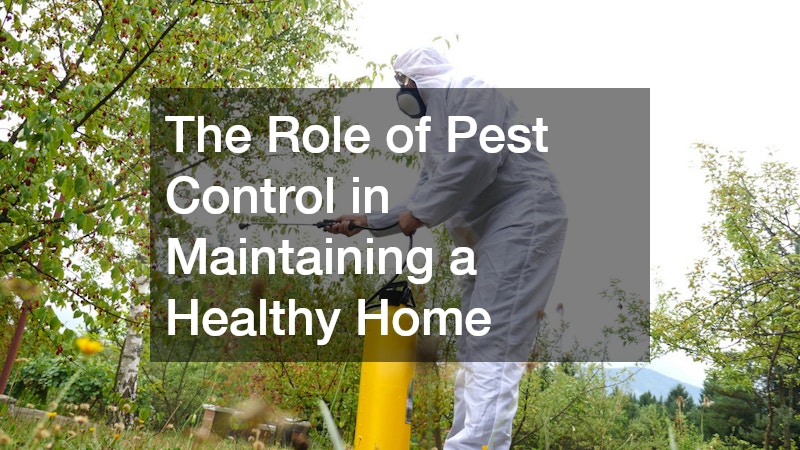
Even with careful prevention, some pests may find their way into your home. This is where professional pest control services become essential. Licensed exterminators have the expertise and tools to identify, eliminate, and prevent infestations more effectively than DIY methods. They can assess the type of pests present, understand their behavior, and use targeted treatments that are safe for both your family and pets.
Professional pest control also offers long-term benefits beyond immediate extermination. Many services provide ongoing monitoring and maintenance plans, ensuring that your home stays pest-free over time. For example, termite treatments often include barrier methods or soil treatments that prevent future infestations, while rodent control plans might involve regular inspections and bait stations to catch and remove any new intruders.
Hiring a professional is particularly important for certain pests that carry significant health risks. Cockroaches, for instance, can trigger asthma attacks and spread bacteria like Salmonella, while rodents can transmit diseases such as hantavirus. A well-executed pest control strategy minimizes these risks, helping protect the health of everyone in your household.
Ongoing Maintenance for a Healthy Home Environment
Pest control doesn’t end once an infestation is eliminated; ongoing maintenance is key to keeping your home safe and healthy. Regular inspections, cleaning, and repairs help ensure that pests do not return. Homeowners should routinely check for signs of new infestations, such as droppings, chew marks, or unusual odors, and address them promptly.
In addition to inspections, maintaining a hygienic environment is critical. Vacuuming floors, wiping down surfaces, and properly storing food can limit opportunities for pests to thrive. Proper waste management is equally important; trash should be securely contained and removed regularly. By establishing these habits, homeowners create an environment that is inhospitable to pests, reducing the likelihood of future problems.
Ongoing maintenance also includes seasonal considerations. For example, as temperatures drop in the fall, rodents may seek shelter indoors, making early winter inspections crucial. Similarly, spring and summer often bring increased insect activity, so routine checks and preventive treatments during these months can keep populations under control. Consistent vigilance, combined with professional guidance when necessary, ensures that pest control remains effective year-round.
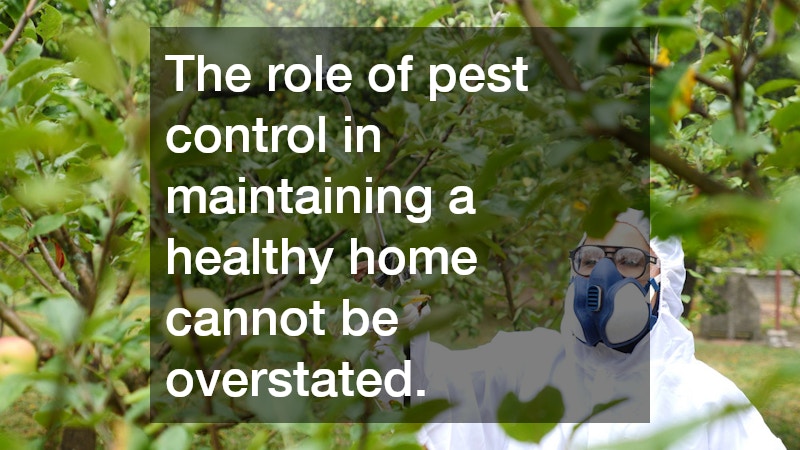
The role of pest control in maintaining a healthy home cannot be overstated. From preventing infestations to professional treatment and ongoing maintenance, effective pest management is essential for safeguarding both the structure of your home and the well-being of its occupants. By addressing potential issues early, employing expert services when needed, and committing to consistent upkeep, homeowners can significantly reduce health risks, avoid costly repairs, and enjoy a more comfortable living environment.
Ultimately, pest control is not just a reaction to a problem—it is a proactive approach to creating a safe, healthy, and thriving home. By prioritizing pest management as part of regular home care, families can protect themselves from disease, allergens, and damage, ensuring that their home remains a sanctuary for years to come.